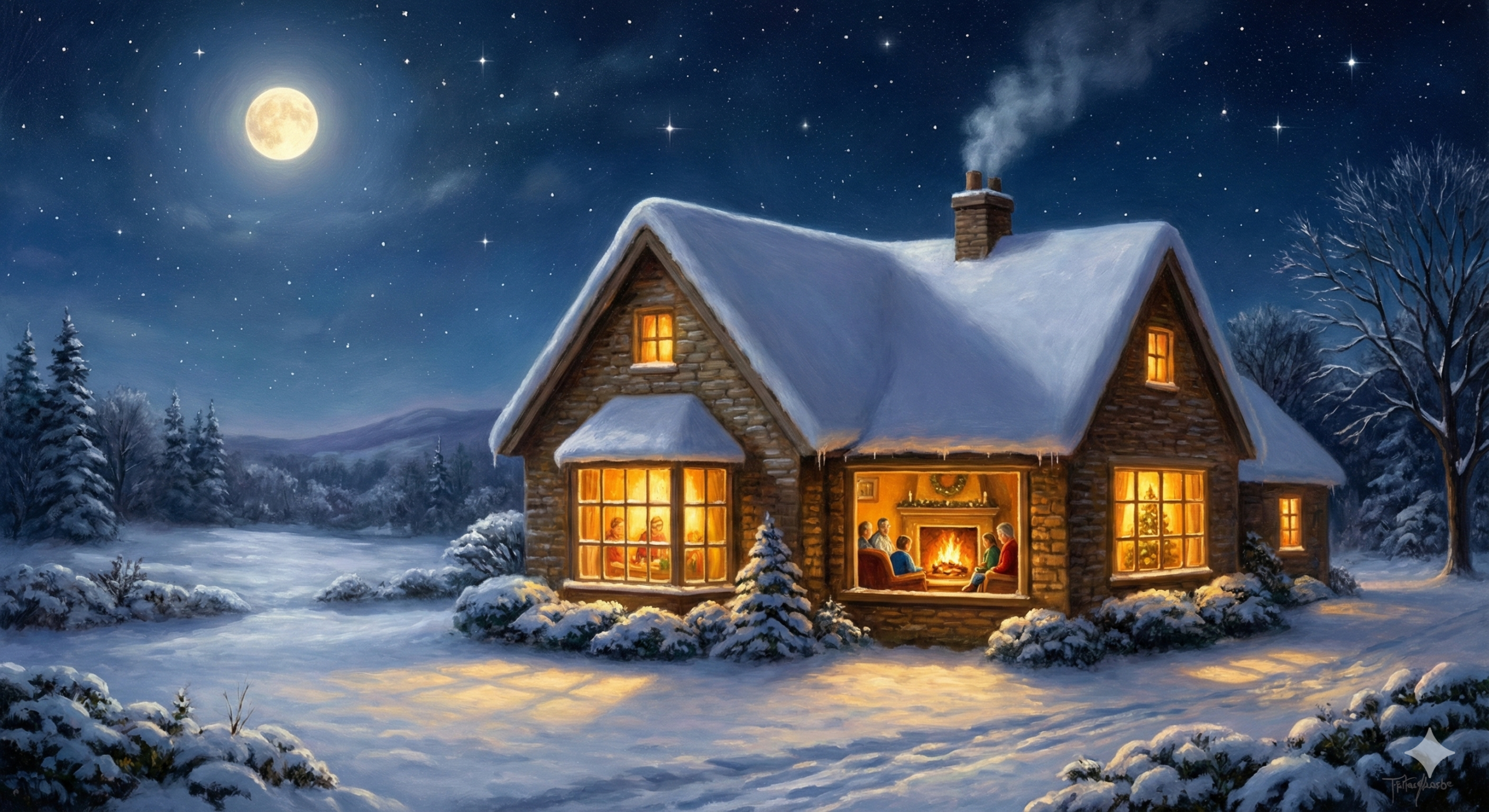
If you look out the window right now, the world probably looks a little sleepy. The trees are bare skeletons against a steel-grey sky, the ground is hard (or slushy, depending on your latitude), and the sun seems to have packed its bags and left the office by 4:00 PM.
In the secular world, this season is often defined by frantic shopping, blinding neon lights, and a race to the finish line of the calendar year. But on the modern Pagan calendar, we reach a checkpoint that asks us to do something radical: stop.
This is Yule. Also known as the Winter Solstice, it marks the longest night and the shortest day of the year. While it might sound bleak to celebrate “peak darkness,” Yule is actually one of the most hopeful, heartwarming, and essential festivals on the Wheel of the Year.
Here is why this ancient pause button matters so deeply in our modern, fast-paced lives.
1. It is a Cosmic Exhale
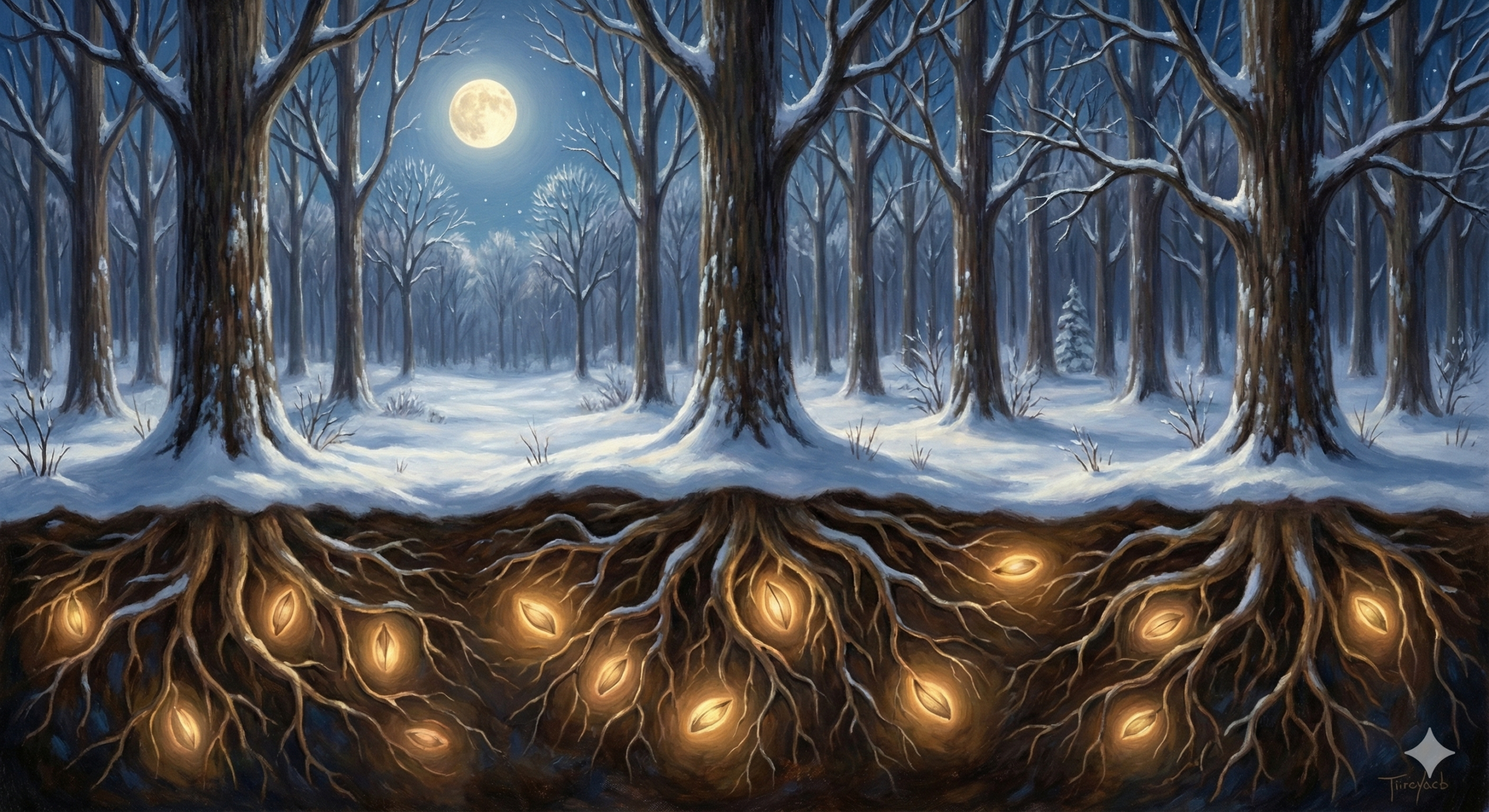
In a world that demands eternal productivity—where we are expected to bloom all year round like plastic flowers—Yule offers a gentle reality check. Look at nature. The earth is not producing; it is resting. The sap has gone down into the roots. The seeds are dreaming underground.
Yule validates the “fallow” times. It reminds us that rest is not the opposite of doing work; rest is a part of doing work. You cannot have the bloom of spring or the harvest of autumn without the deep, quiet restoration of winter.
Celebrating Yule gives us spiritual permission to wrap ourselves in a blanket, drink something warm, and say, “I am not a machine. I am a part of nature, and right now, nature is sleeping.”
2. The Science of “Standing Still”
The word solstice comes from the Latin solstitium, which translates roughly to “the sun stands still.” Astronomically, this is the moment the North Pole is tilted furthest away from the sun. For a few days, the sun appears to rise and set at the exact same point on the horizon, pausing before it begins its journey back.
This is the “smart” part of the holiday. We aren’t just celebrating a myth; we are acknowledging planetary mechanics. But the metaphor holds up beautifully. Even the sun—the most powerful force in our solar system—takes a pause. If the sun can take a moment to stand still before pivoting toward the future, so can you.
3. The Return of Hope
Ancient peoples watched the days grow shorter with genuine fear. They didn’t have weather apps or heating systems; they had fire and faith. They lit bonfires and candles as a form of “sympathetic magic,” hoping to lure the sun back.
And the miracle of Yule is that it worked. Every single time.
In the modern era, we generally know the sun will come back. But emotionally? We aren’t always so sure. We all go through dark nights of the soul, periods of grief, depression, or uncertainty. Yule is the annual reminder that the dark is not permanent. And don’t we all need to hear that right now when everything feels so damned dark?
The Solstice is the turning point. Precisely when the night is longest, the tide turns. From the very next day forward, the light begins to grow—by mere seconds at first, but it grows. Yule teaches us that even in the deepest dark, the spark of return is already ignited.
4. Bringing the Outside In (The Fun Part)
Let’s be honest: Pagan décor is top-tier. Yule is the origin of so many beloved seasonal traditions that have been absorbed into secular culture, but reclaiming their roots makes them feel more meaningful (and fun).
-
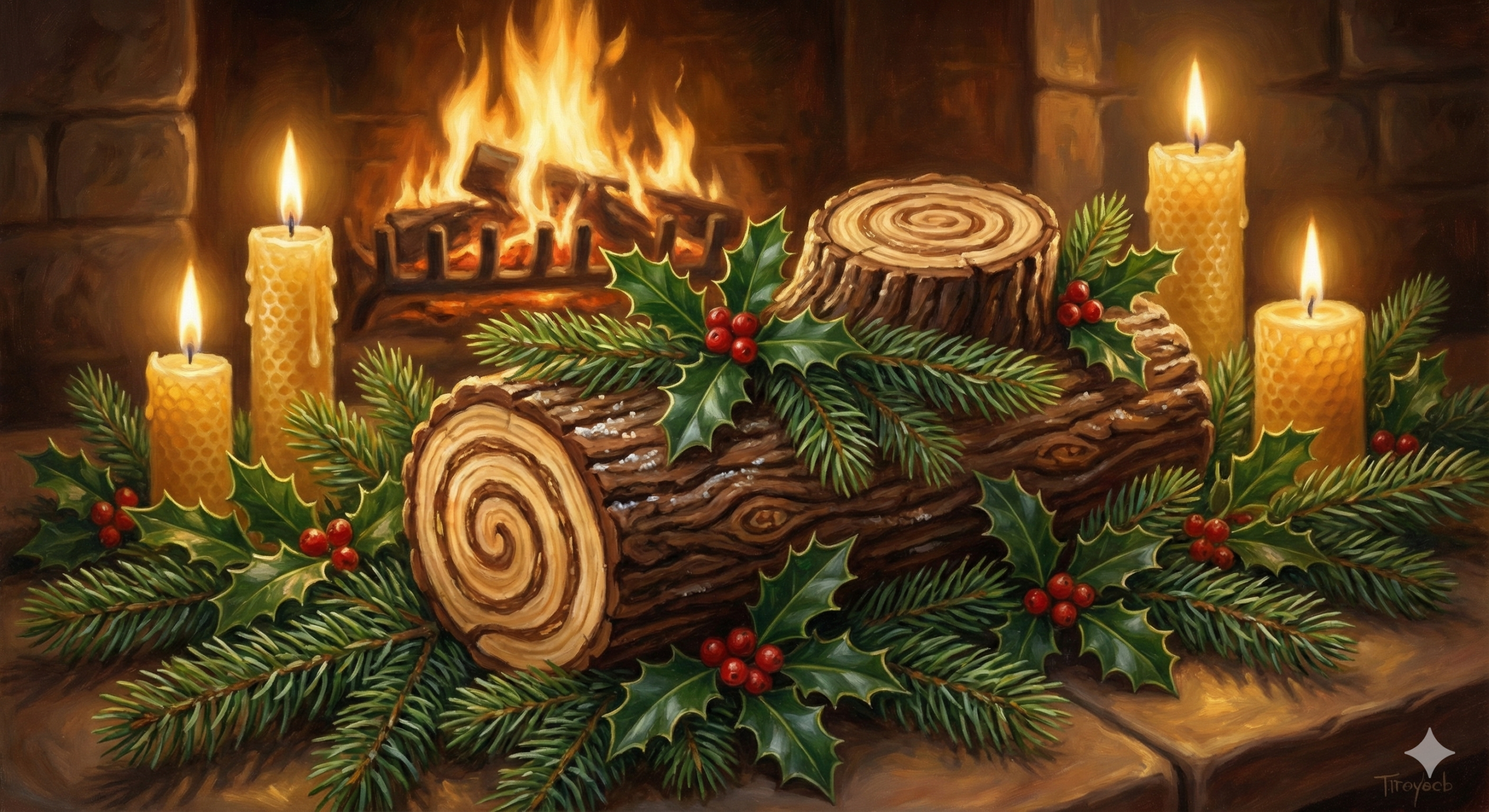
The Evergreen: We bring pine, fir, holly, and ivy indoors because they are the “immortals” of the forest. When everything else has turned brown, they stay green. They are a promise that life survives the frost.
-
The Yule Log: Whether you burn an actual oak log in the fireplace or eat a chocolate Bûche de Noël (highly recommended), you are participating in an ancient tradition of bringing warmth and sweetness into the home to ward off the cold.
-
The Lights: Fairy lights, beeswax candles, roaring fires—Yule is an aesthetic masterpiece of hygge (coziness).
5. A Celebration of Potential
If Samhain (Halloween) is about the past and ancestors, Yule is about the future and potential.
Think of the seed underground. It looks like a pebble. It looks dead. But inside, it holds the blueprint for a massive oak tree or a field of wheat. Yule is the time to nurture your own potential in the dark.
It is a time for quiet planning, for dreaming without yet acting. It is the perfect time to ask yourself: What do I want to grow when the light returns?
How to Mark the Moment
You don’t need a grand altar or a coven to feel the magic of Yule. Here are three simple, thoughtful ways to connect:
-
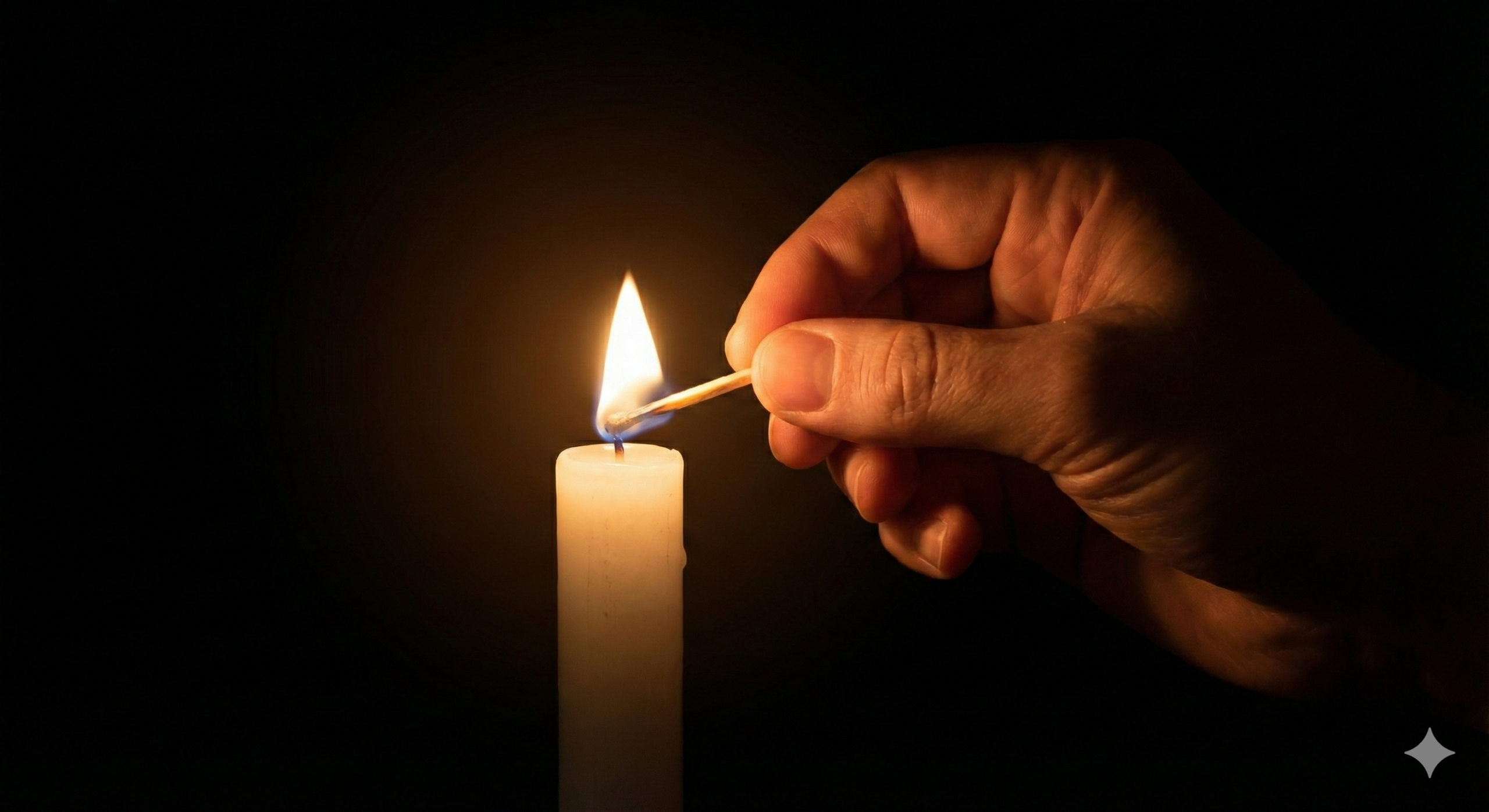
The Vigil of Light: On the night of the Solstice (usually Dec 21st), turn off all the electric lights. Sit in the dark for a few minutes. Acknowledge the silence. Then, light a single candle. Watch how that one small flame changes the entire room. Welcome the return of the sun.
-
The Nature Walk: Go outside and find a tree that has lost its leaves. Touch the bark. Say a quiet “thank you” for its endurance. Find an evergreen and admire its resilience.
-
The Feast: Share a meal with people you love. Focus on root vegetables, roasted meats, or hearty stews—gifts from the earth that sustain us through winter.
The Final Spark
In a modern world that can often feel cold and disconnected, Yule offers us a hearth to warm our hands by. It teaches us that darkness is not something to be feared, but a canvas for the light.
So, this Solstice, may you find rest in the stillness, joy in the warmth, and an unshakeable belief that the sun always, always returns.
Blessed Yule!
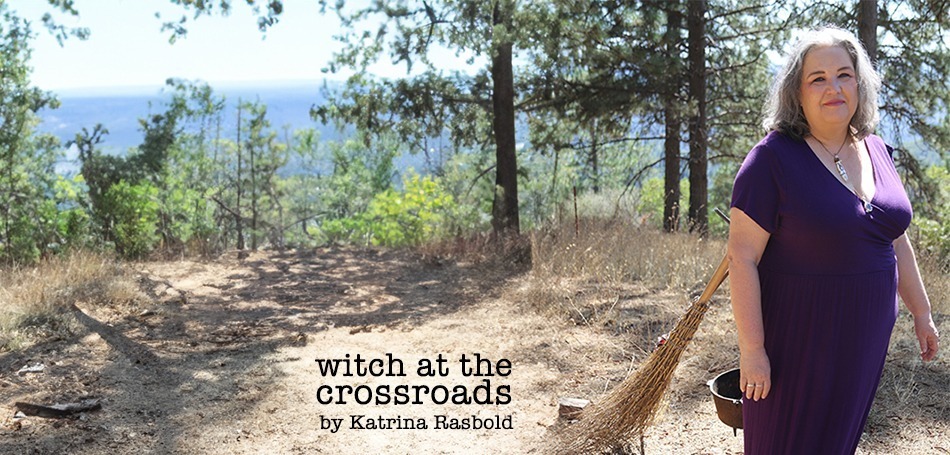
 Katrina Rasbold is a professional Witch, published author, priestess, and editor of Green Egg Magazine. She and her husband, Eric, are the creators of the CUSP spiritual path and owners of Crossroads Occult. You can reach her and access her Patreon with deeper classes and mentorship through www.katrinarasbold.com.
Want to join the conversation about this blog post? Go to the Green Egg Forum and scroll for the forum post that relates to this article: https://www.facebook.com/groups/1069823176940972